
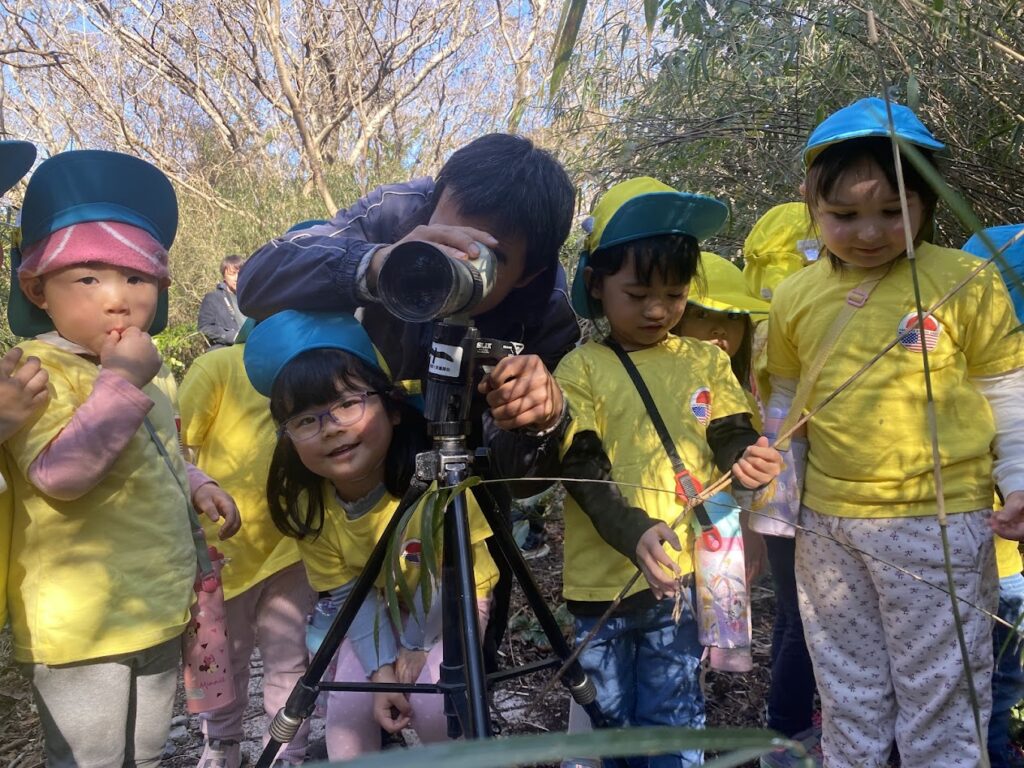
A Big Adventure Begins
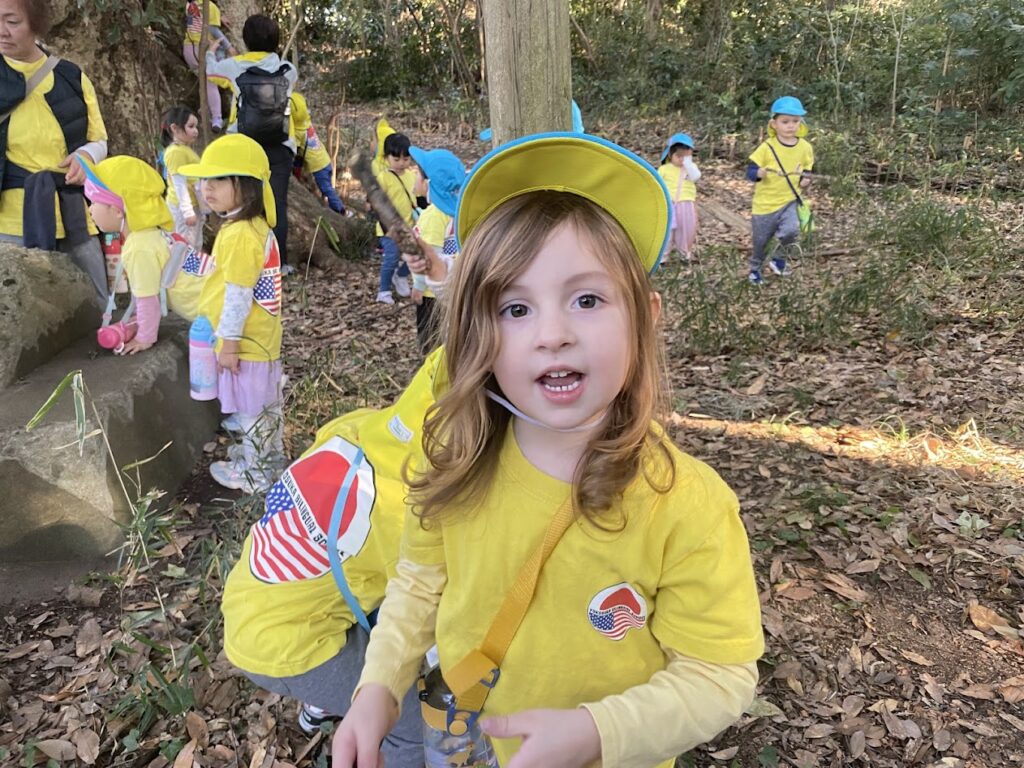
Our 3-year-olds from the preschool recently went on a big adventure in a local forest, guided by a local biologist.
To be honest, the teachers had mixed feelings before the trip.
Was it too dangerous for them…?
Would they get tired too quickly…?
Could they really enjoy two full hours outdoors…?
In the end, every one of those worries disappeared.
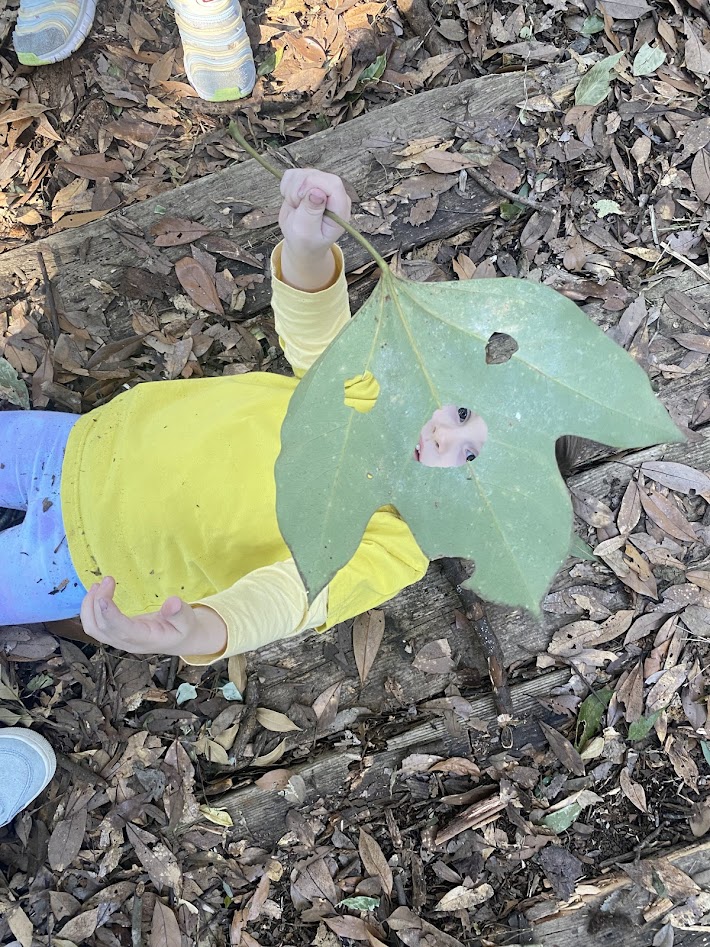
Learning With Their Whole Bodies
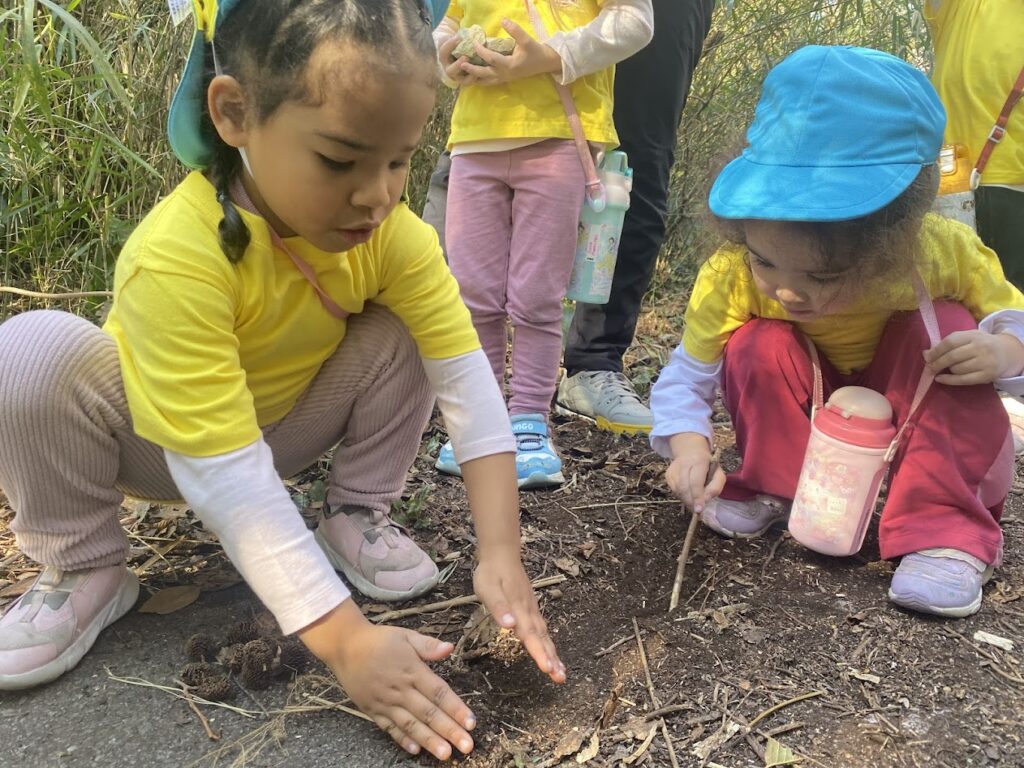
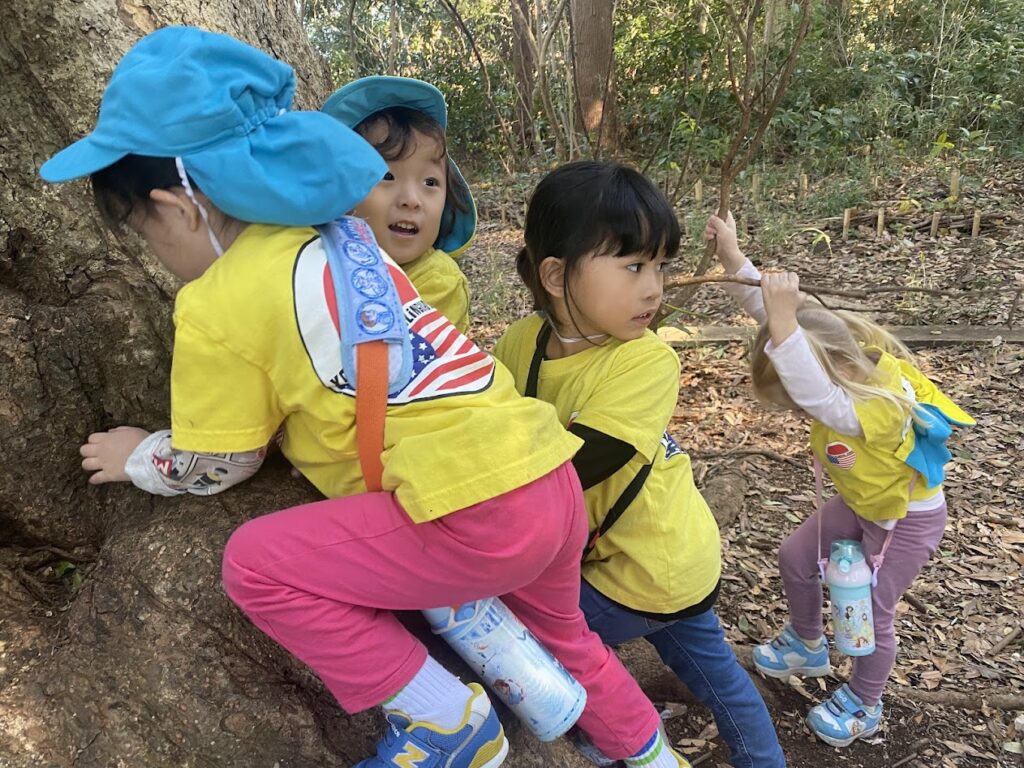
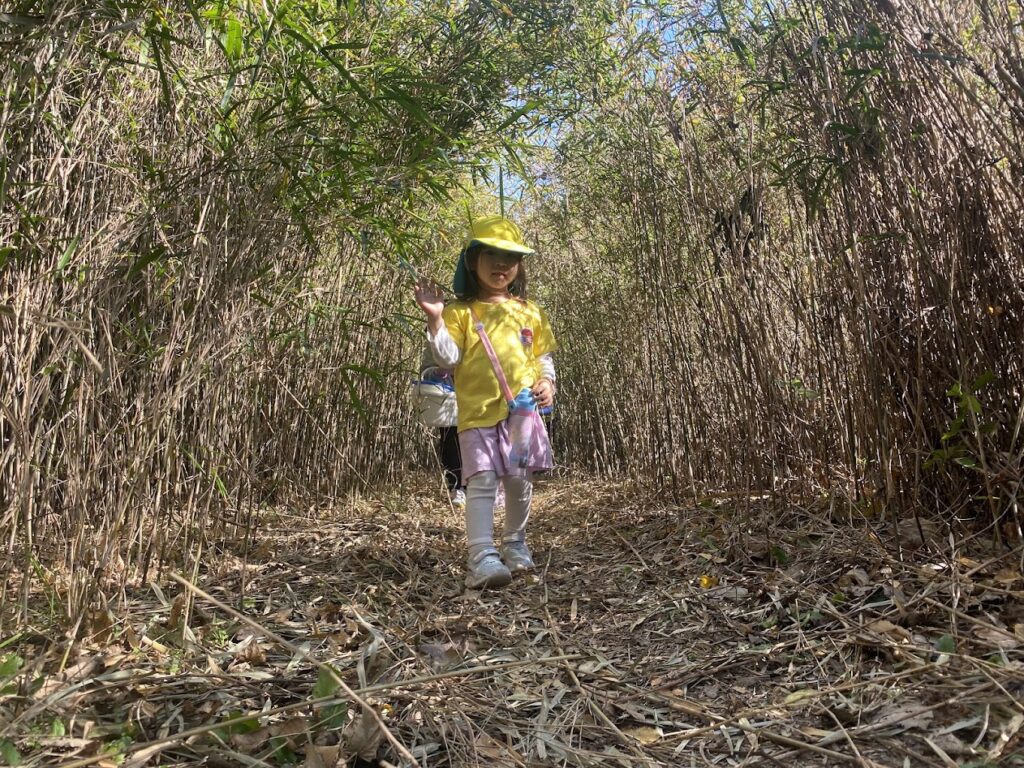
The children walked confidently through tall grasses, discovered and gently touched tree nuts, went up and down hills, and even climbed trees. Their small bodies were constantly in motion, and their eyes were filled with curiosity and excitement.
They learned how to balance on uneven ground, how to listen carefully to instructions, and how to observe nature closely. They experienced different textures, smells, and sounds—learning opportunities that no classroom can fully replicate.
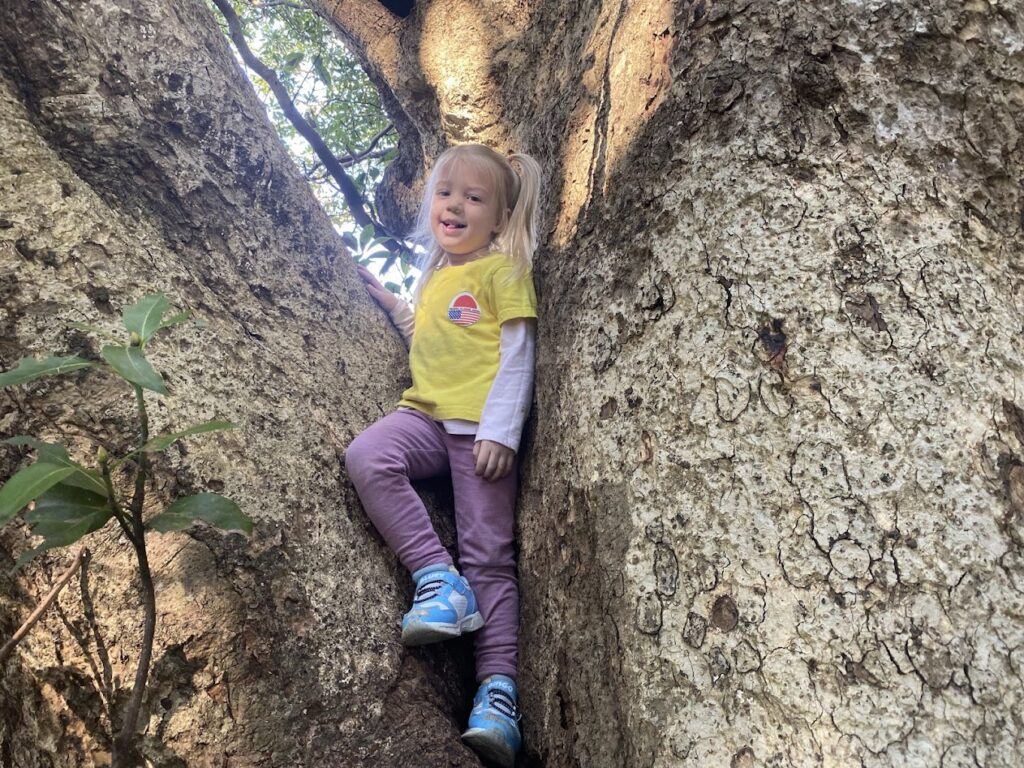
Growing Confidence and Endurance
Most importantly, they gained confidence.
Confidence in their bodies.
Confidence in trying something new.
Confidence in themselves.
What surprised us most was their endurance. They didn’t give up or complain. Instead, they encouraged one another, helped each other, and kept moving forward with joy.
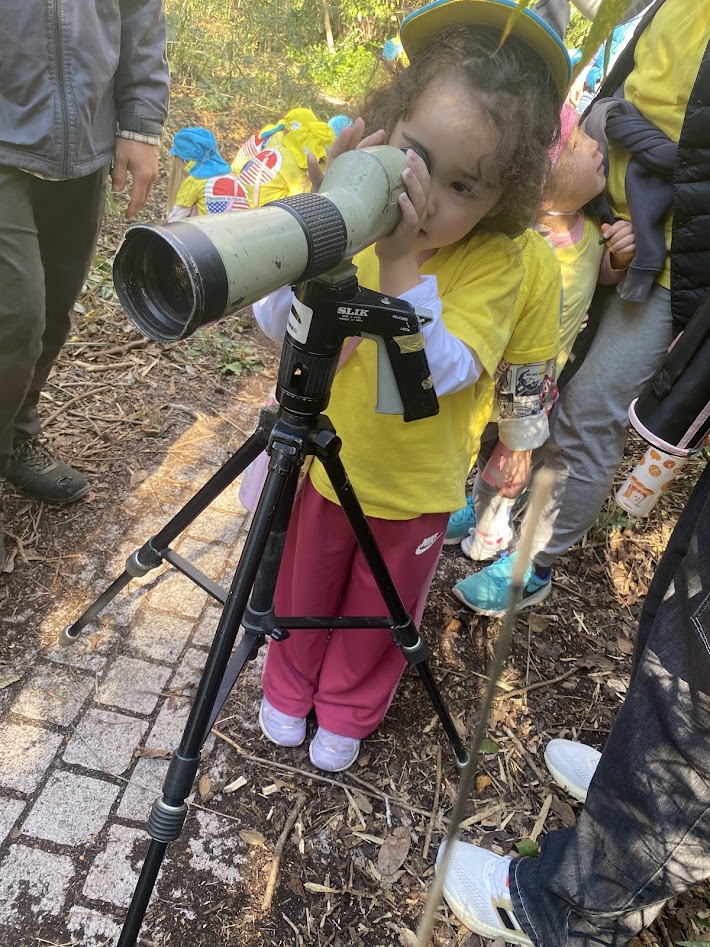
Learning Beyond the Classroom
This forest adventure reminded us of something very important:
young children are far more capable than we often expect—especially when we trust them and give them meaningful, real-life experiences.
Sometimes, the best learning doesn’t happen indoors.
It happens under the trees, on muddy paths, and in moments of wonder.
Developing Non-Cognitive Skills
This experience was not about learning facts.
It was about developing non-cognitive skills such as curiosity, resilience, focus, confidence, and the willingness to try even when something feels challenging.
In nature, children learn by doing. They observe closely, make decisions with their own bodies, and experience the joy of overcoming small challenges. Through hands-on exploration, learning becomes active, personal, and deeply meaningful.
The Power of Hands-On Learning at YBS
At YBS, we value real-life experiences as an essential part of learning and development. A variety of field trips is one of YBS’s unique educational approaches, and even in the classroom, we emphasize hands-on, engaging learning.
Hands-on experiences allow children to use their whole bodies and all of their senses. When children touch, move, explore, and experiment, learning becomes long-lasting. Research in early childhood education shows that active learning strengthens brain connections far more effectively than passive instruction, especially in the early years.
A Foundation for Lifelong Learning
In engaging environments like nature, children are fully involved. They solve small problems, make decisions, and adjust their actions in real time. This kind of learning naturally builds curiosity, concentration, resilience, and confidence—key non-cognitive skills for lifelong success.
Most importantly, hands-on learning supports intrinsic motivation. Children learn not because they are told to, but because they want to. This joy of discovery lays the foundation for lifelong learning.
Our Commitment at YBS
At YBS, we believe that children learn best through real-life, hands-on experiences that engage the whole child—body, mind, and heart. Whether in the forest or in the classroom, we are committed to creating learning environments where children feel trusted, challenged, and inspired.
Through experiences like this forest adventure, YBS nurtures not only academic readiness, but also the non-cognitive skills that support children throughout their lives—curiosity, resilience, confidence, and a genuine love of learning.
At YBS, we will continue to provide meaningful experiences that allow every child to discover their own potential and grow into confident, capable learners.