Growing Proudly Beyond Borders: Katie’s Story After YBS
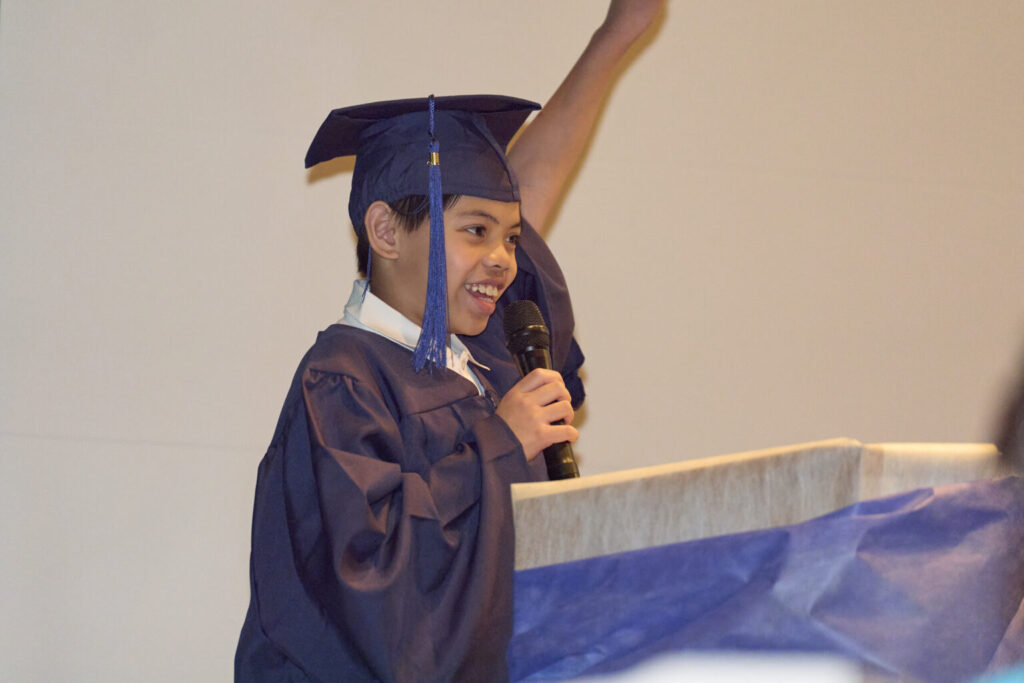
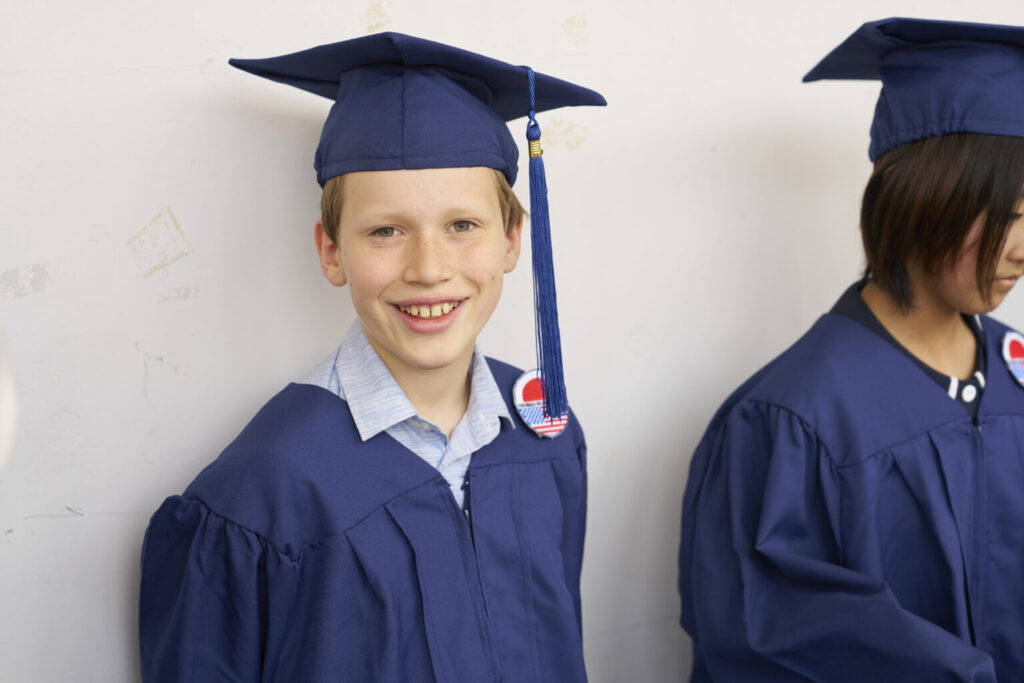
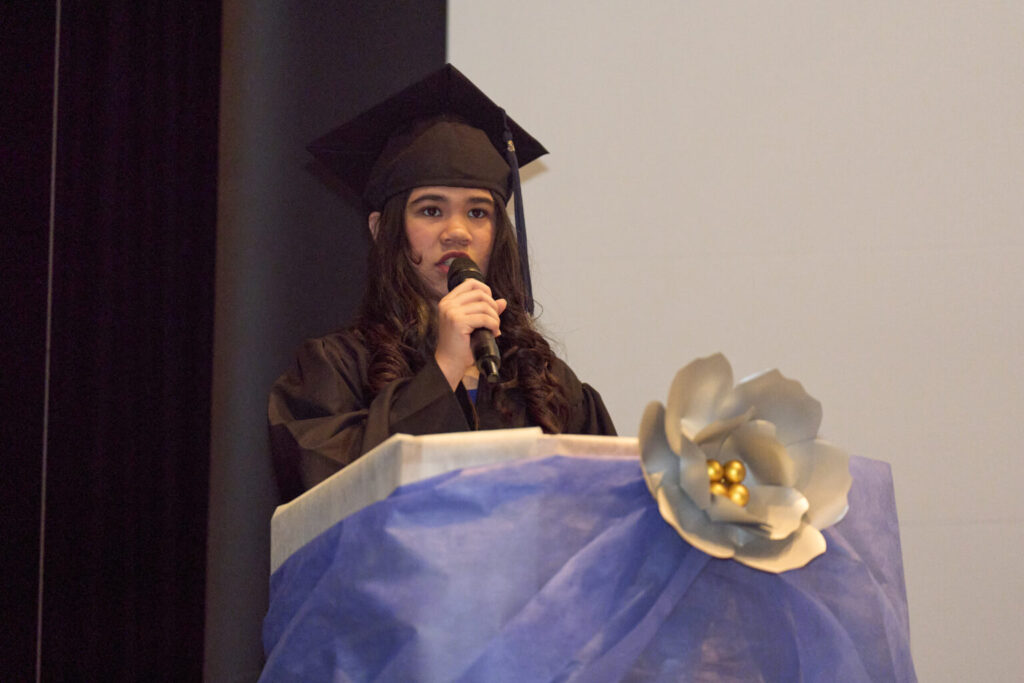
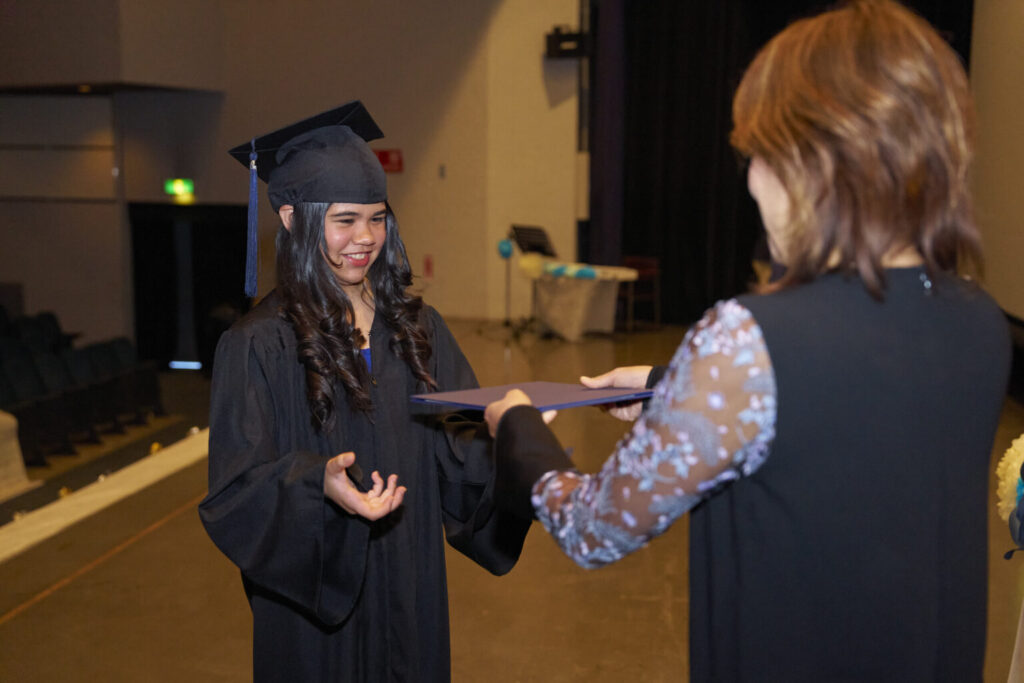
We recently reconnected with our YBS graduate, Katie — the very first American student at YBS. She played a meaningful role in shaping our journey toward becoming a truly bilingual school. She became fluent in Japanese (yes, she even debated with teachers in Japanese!).

Now she is 16, and still carries the same bright smile and thoughtful heart — only now paired with a quiet confidence and a clear sense of direction.

Today, Katie was selected and enrolled at the highly selective The Gatton Academy of Mathematics and Science, an early college program housed at Western Kentucky University.

Each year, students from across Kentucky’s Commonwealth apply through a rigorous selection process. From applicants representing schools in 47 counties, only 98 students are chosen.

Katie is one of those 98!!!

At just sixteen, she lives on campus and takes a college course load. By graduation, she will earn both her high school diploma and an associate’s degree — a remarkable achievement that reflects not only academic excellence, but courage and vision.


What Did YBS Mean to Her?

When I asked Katie what she remembered about YBS, her face softened. She didn’t answer right away — she smiled first.

“I remember just walking around and talking with people,” she said.

“Having fun. Every day.”

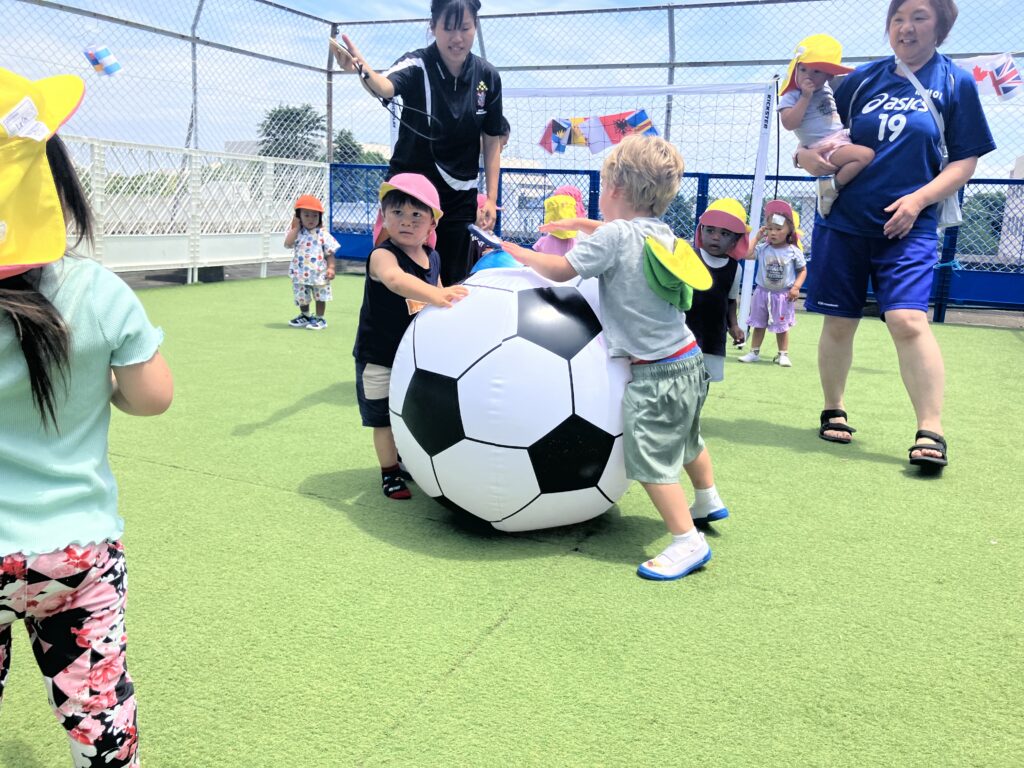
She laughed as she mentioned the small outdoor balcony playground — that little space that somehow felt so big when they were young.

At first, the memories sounded simple. Ordinary, even.

But then her voice shifted.

Living in Japan, she explained, changed her in ways she didn’t fully understand at the time.

“Being in a different country when you’re young changes you. It made me more open-minded — more receptive to new experiences and different kinds of people.”

YBS was never just a school building. It was a meeting point of worlds.

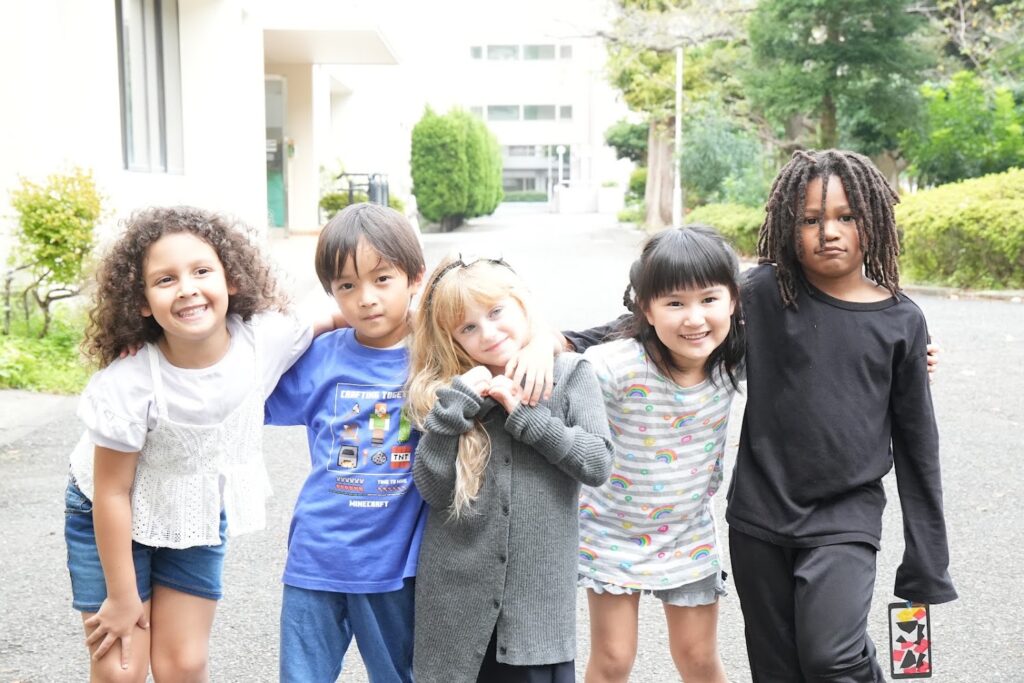
American military families. Japanese local families. Different languages, different customs, different ways of thinking — all sharing the same classrooms, the same playground, the same everyday moments.

For a child, that kind of environment becomes normal.

Difference becomes familiar.

Diversity becomes comfortable.

Katie reflected that if she had only attended a school on base, surrounded mostly by students similar to herself, she might have grown up more cautious — maybe even hesitant — about stepping outside her comfort zone.

Instead, she learned early that “different” is not something to fear.

It is something to engage with.

And that quiet confidence — built in small daily interactions years ago — is something she still carries with her today.

That experience matters in her life.


Challenges After Moving Back to the U.S.

Katie moved back to the United States in early 2020 — just as the world was beginning to shut down.

The timing made everything feel even more uncertain.

But even before COVID changed daily life, the cultural shift itself was powerful.

She remembers how different everything felt.

Public spaces felt different.

The atmosphere at school felt different.

Even something as simple as walking somewhere alone — something she had done naturally in Japan — suddenly wasn’t the same.

“In Japan, I could just walk places,” she said. “It felt easier to navigate.”

Back in the U.S., she felt that difference immediately. The rhythm of life. The energy in schools. The way people interacted. It was familiar, yet not.

It would have been easy to shrink back.

But she didn’t.

Instead, she did what she had learned to do years earlier — she kept going.

“School is slow,” she laughed. “You just go every day, and eventually you get used to it.”

There was something simple in that answer. But beneath it was resilience.

At YBS, she had already learned how to move between cultures.

She had learned how to speak up, how to adapt, how to connect with people who were different from her.

She had learned that unfamiliar does not mean impossible.

So when life shifted again, she didn’t panic.

She adjusted.

Day by day. Step by step.

The confidence built in a small international classroom in Japan quietly became the strength that carried her through a global transition.

That is the kind of “living power” education hopes to give —

not just knowledge, but the ability to adapt, to grow, and to keep moving forward when the world changes.

And in Katie’s case, that foundation was already there.


Her Message to Current YBS Students

When asked what she would say to current YBS students, Katie didn’t hesitate.

“YBS is a special opportunity. Make the most of it. Talk to people who are different from you. Engage. Learn from them.”

Simple words — but they carry weight.

Because she has lived the difference.

YBS is not just a school. It is a crossroads of cultures.

Languages overlap. Perspectives collide. Friendships form across backgrounds that might never meet anywhere else.

And when you grow up in that kind of environment, something powerful happens.

You stop being afraid of “different.”

You become curious instead.

Katie believes that daily exposure to multiple cultures doesn’t just make you tolerant — it makes you confident. It gives you perspective. It teaches you how to step into new spaces without shrinking.

That confidence travels with you — into new schools, new countries, new challenges.

Her message isn’t just advice.

It’s proof.

Lean in.

Start conversations.

Be brave enough to connect.

You never know how far those small interactions might carry you.

And that confidence did not stay in the classroom.

It became the quiet engine behind her decisions — the courage to apply to a highly selective academy, the strength to move away from home at sixteen, the resilience to adapt to college-level academics, and the clarity to pursue a future in science.

The confidence she built in a multicultural classroom became the power that now moves her forward.

It allows her to step into new environments without shrinking. To sit in rooms filled with high-achieving peers and still be herself. To choose an accelerated path not out of pressure — but out of purpose.

Most importantly, it gives her the freedom to imagine bigger possibilities.

Confidence does not just help you succeed. It helps you expand.

And in Katie’s case, it has become the foundation for her achievements — and the quiet strength that allows her to thrive, fully and unapologetically, as herself.


A full circle moment

During the conversation between our founder Fumi and Katie, they shared a memory from years ago — riding a Ferris wheel together in Japan. At the time, Fumi was struggling with her business, and little Katie told her:

“When you look at your problems up close, they feel huge. But if you go higher, they look small.”

Katie doesn’t fully remember saying it — but it meant so much.

People of different ages, different nationalities, different roles and perspectives.

When we engage with someone who is “different” from us, our viewpoint shifts.
A view we could not see before suddenly opens up.

That is exactly what happened on that Ferris wheel.

The value of an international school is not just about learning different languages.

It is about sharing space with people of different ages, cultures, and backgrounds, and learning and growing up together beyond the differences.

Time spent in such an environment gently removes invisible limits, expands perspectives, and opens doors to new possibilities.

What Katie taught on that Ferris wheel remains, even today, one of the foundational beliefs of YBS.


Now she’s the one going higher.

Academically. Personally. Courageously.

And we couldn’t be more proud.

Katie, YBS will always be your home.

We can’t wait to see how far your curiosity takes you — maybe all the way to the stars.

300 Daikon, Big Courage, One Community!

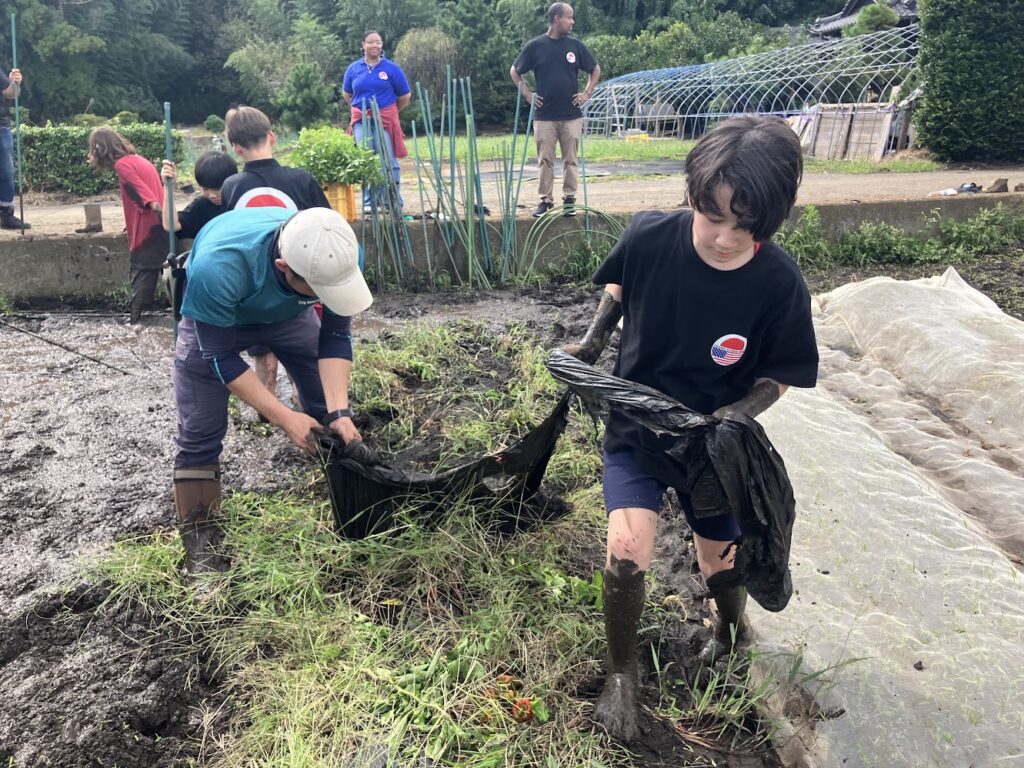
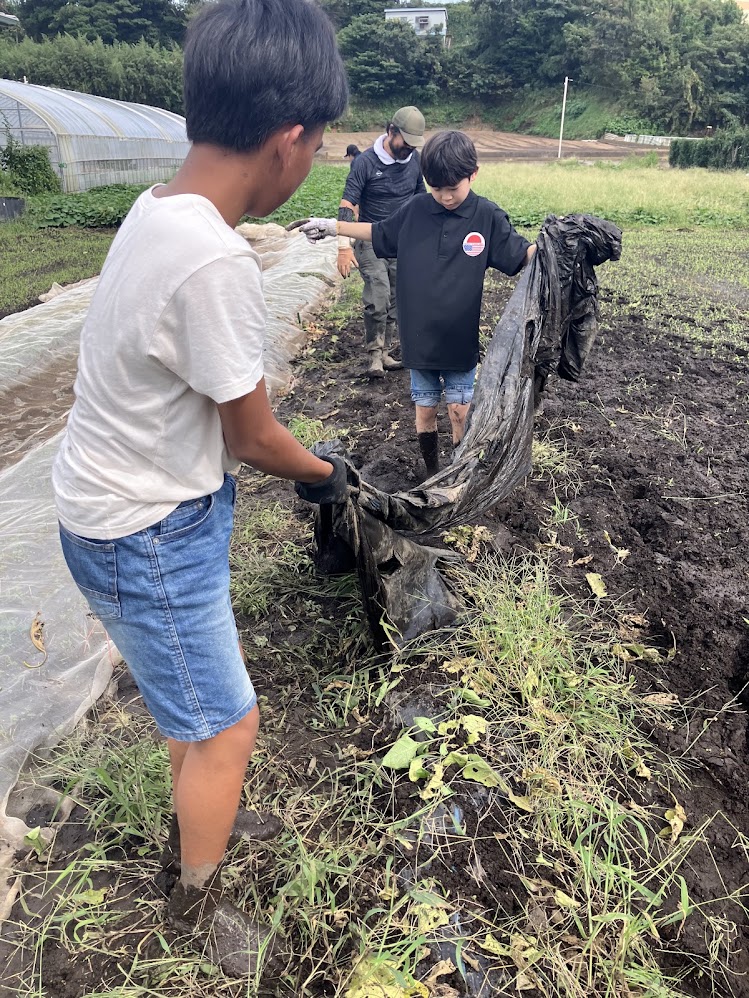
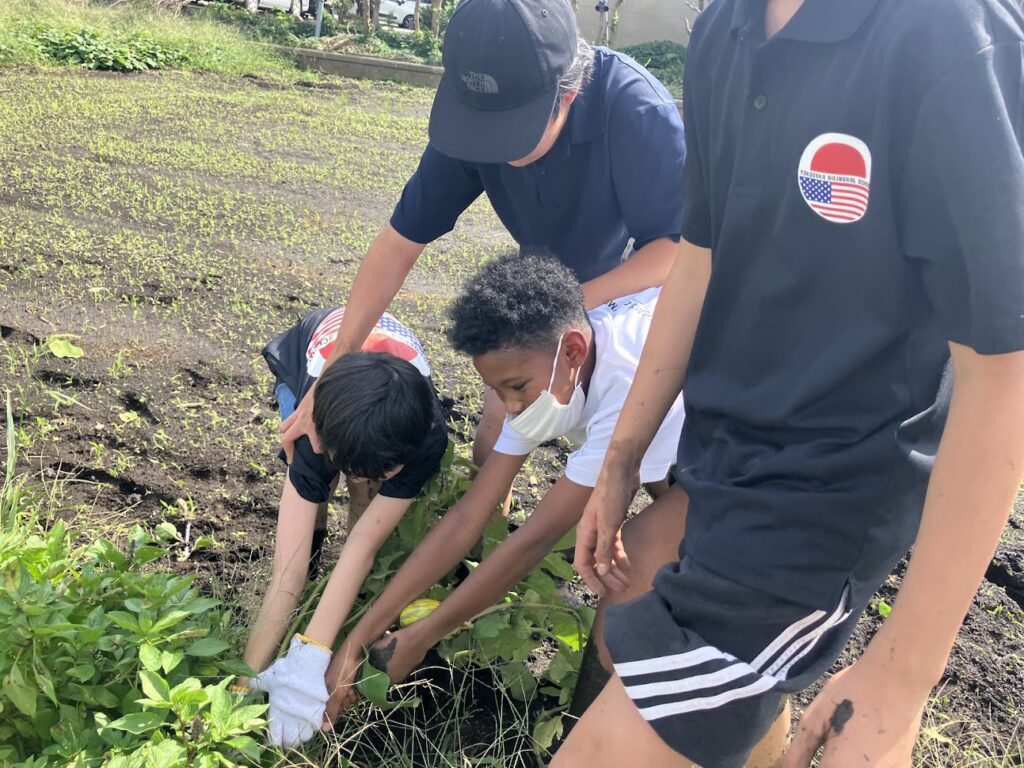
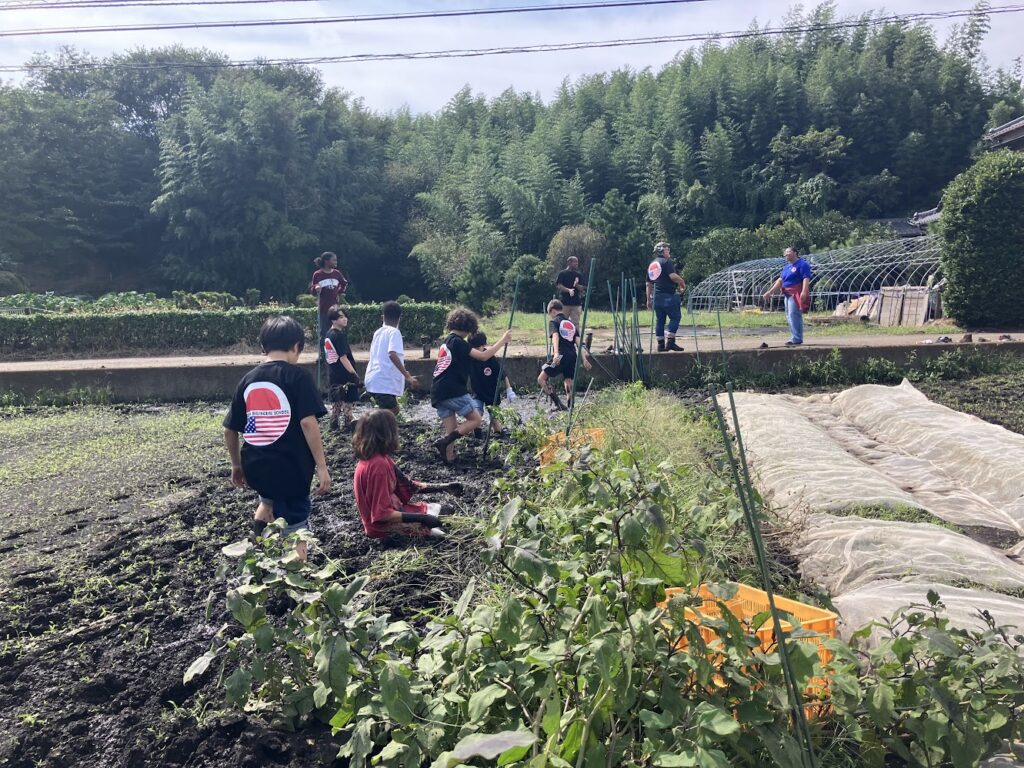
We were warmly invited by a local farmer, and recently our YBS Preschool children set out for a daikon harvesting adventure.

This time, the children were harvesting Miura Daikon—so big they were nearly the same size as the children themselves!!
As soon as they arrived at the field, energetic voices filled the air:

“うんとこしょUn-tokosho! どっこいしょDokkoisho!”

With their cheerful chants, they took on the giant daikon buried deep in the soil.

Some children tried to pull them out with all their strength on their own.
Others called out, “Let’s do it together!” and worked in pairs.

With hands and faces covered in dirt, they pushed, pulled, and tried again and again.
They looked so determined—like they were standing in front of a giant challenge and declaring, “We’re going to do this!”

At first, the daikon wouldn’t budge.
But little by little… it started to move.

“It’s moving! It’s moving!”

With one final push—pop!—out it came.
Cheers, laughter, and wide-eyed smiles spread across the field.

The sense of accomplishment they felt was far greater than simply pulling out a big vegetable.
They learned the courage to face something difficult, the perseverance to keep trying, and the power of teamwork.

As they pulled the daikon from the earth, they were also pulling out something from within themselves—
their own strength to take on a challenge.

This time, many parents also joined us as volunteers.
We traveled by train and bus—a small journey that became part of the learning.

For our international families especially, the view from the train window was unforgettable.
Soft pink Kawazu cherry blossoms blooming along the tracks, and neatly cultivated fields filled with a variety of vegetables—Japan’s seasonal beauty unfolding before their eyes.

Children gently reminded each other, “We need to be quiet on the train.”

Even the travel time became learning time.
Public manners, seasonal changes, and the rhythm of local life all connected naturally.

By the end of the day, we had harvested more than 300 daikon!!!

Back at school, the harvest was shared with everyone—from the Baby Room to Middle School students, along with parents and staff.

At the entrance, daikon were stacked high.

“I pulled this one out!”
“I got a really heavy one!”

The pride on their faces was impossible to hide.
The feeling of the soil, the moment of struggle, the joy of success—those memories were already part of them.

Those 300 giant daikon did more than fill our school entrance.
They brought together local farmers, families, children, and staff as one community.

It was not just a harvesting trip.
It was a day created together—through support, cooperation, and shared experience.

And within that day, children discovered courage, teamwork, and gratitude toward the community that supports them.

We truly believe that the confidence and thankful hearts nurtured through this experience will continue to support their learning and growth in the years ahead.

A Warm Gift, A Great Inspiration — Growing Together with Our Community

With the heartfelt vision of supporting children’s development in the community and encouraging diverse learning opportunities, Sumitomo Mitsui Trust Bank, Limited generously donated a basketball hoop and basketballs to YBS.

Sumitomo Mitsui Trust Bank values sustainable growth, community partnership, and investing in future generations.
This donation reflects those values in action — a meaningful support in our children and their future.

Children were invited to take part in the donation ceremony held the other day.
Standing in front of the brand-new hoop and the cool new basketballs, their smiles said it all!

As representatives handed each child a ball and stickers, excited voices filled the space:
“Can we use it now?” “Do we get to play basketball today?”
Seeing the children hold their new basketballs so carefully and proudly created a heartwarming atmosphere for everyone present.

At YBS, we value learning and growth in a bilingual environment immersed in both the Japanese way and the global way.
Within that journey, sports serve as a universal language that connects hearts beyond words and cultures.

It is not only about winning or losing.
It is about taking on challenges with passion, supporting teammates, and building confidence through achievement. These experiences become powerful tools that support children’s continued learning and personal growth.

This donation reminded us of something very important:

Our children are not growing up alone within school walls.
They are surrounded by adults, companies, and community members who genuinely believe in them and want to see them thrive.

YBS is a school supported by many caring hands and hopeful hearts.

When children know they are valued by their community, they grow with confidence.
They learn to take on challenges, support one another, and believe in their own potential.

We are truly grateful to be part of a community where businesses and individuals stand behind our learners.

With deep gratitude for the support of our community, we will continue expanding opportunities and possibilities for our young learners.

YBS Middle School ×Local Art Event in Uwamachi

Rooted in the local community, YBS Middle School learners express their creativity!!


We are pleased to announce that YBS Middle School leaners are participating in a local art event,
“Uwamachi Shopping Street Cultural & Arts Exchange 2026.”

Our learners created original artworks showcasing their incredible creativity, and their pieces will be displayed throughout Uwamachi Shopping Street.

When they first learned about this project, each learner already had a clear idea of what they wanted to create and express to the community.
Through painting, modeling, and sculpting, they worked freely and openly, each with their own unique concept.

Some leaners created architectural models inspired by Uwamachi’s historic shops, while others designed sculptures connected to Japan’s famous anime culture.

Would you like to be inspired by their creativity?

YBS Middle School learners will also be participating as event volunteers on the 13th and 27th, helping guide visitors and support the local community during the event. Connecting the local community with learning and experiences beyond the classroom.
This is what makes YBS learning truly unique.

Come meet us at Uwamachi Shopping Street!

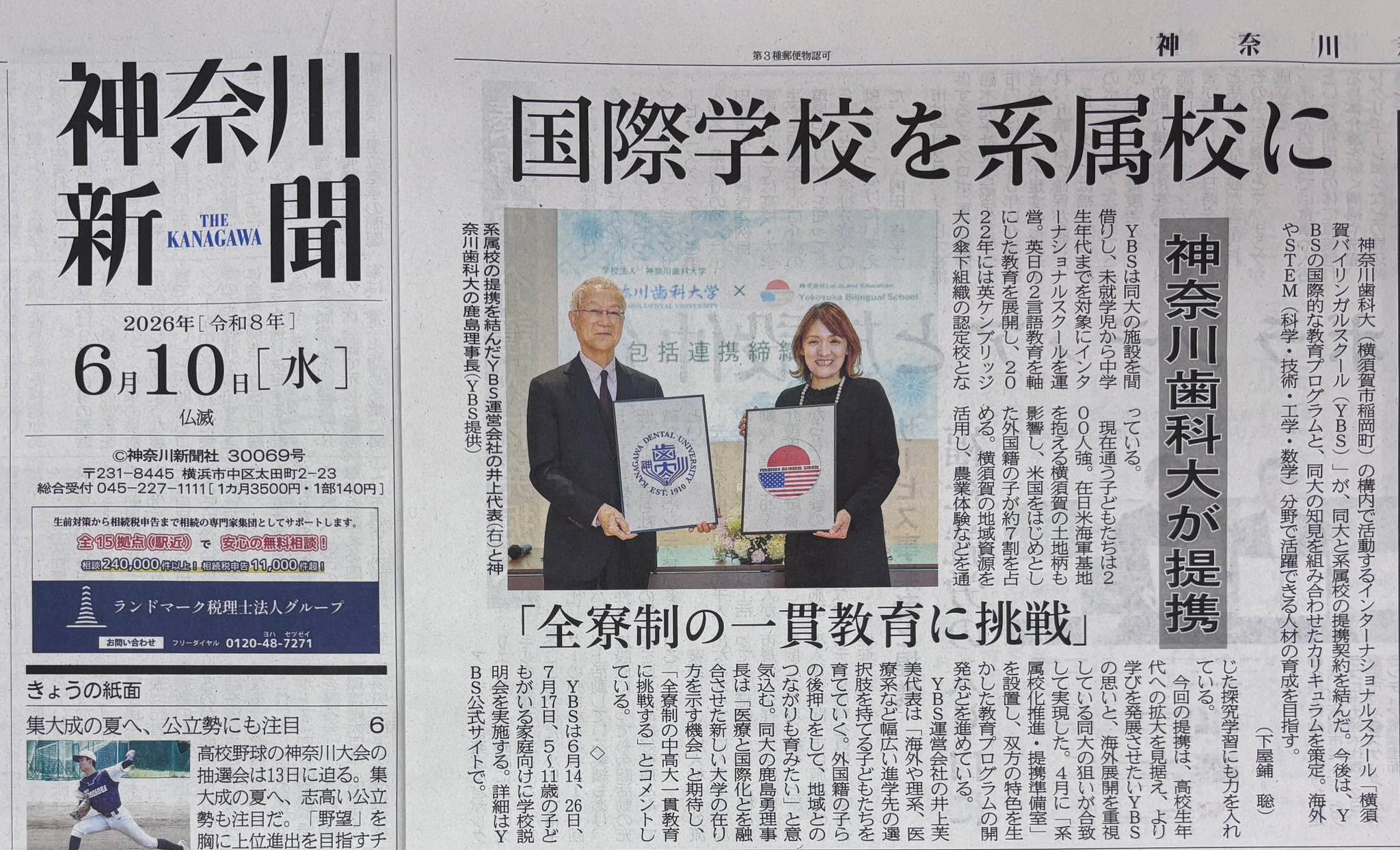
【News!】A New Chapter for YBS — Affiliation with Kanagawa Dental University —

We are pleased to share an important announcement from YBS.

On February 2, 2026, Yokosuka Bilingual School officially signed an agreement to become an affiliated school of Kanagawa Dental University!


From a Small Beginning to a Bigger Future


Founded 13 years ago as a small preschool in Yokosuka, YBS has grown step by step into a licensed nursery school, an elementary school, and most recently, a middle school opening in September 2025.

Rooted in close partnerships with Japanese and American families, YBS’s bilingual education earned Cambridge accreditation in 2022.

Now, in 2026, this journey reaches a new milestone through affiliation with a long-established university.

Kanagawa Dental University is a highly respected institution in Japan that has played a leading role in medical and dental education in Japan for many decades.

This affiliation reflects YBS’s strong commitment to bilingual education and to creating a clear academic pathway that extends through university, expanding our students’ future possibilities. It also means that our students are learning in an environment that is formally recognized within Japan’s educational system, while continuing to receive a global level education.

For our students, having attended an affiliated school of a Japanese university is a meaningful and valuable part of their educational background.
When they move on to future schools, someday, —whether in Japan or abroad—this experience represents a strong foundation of academic credibility, cultural understanding, and educational continuity. 

We believe this unique position allows our children to grow with confidence, knowing they are supported by both global education and trusted Japanese academic traditions.Nothing would make us prouder than for YBS to remain a source of lifelong pride for our children. This mission remains at the heart of our evolution.

This partnership represents YBS’s strong commitment to building an academic pathway that extends all the way to higher education—expanding opportunities and providing our students with a secure, future-focused learning journey.

It marks the first step toward a future where children’s possibilities grow wider, freer, and truly global.


Where Local Knowledge Meets Global Diversity

Since its founding, YBS has embraced the philosophy of “Diversity FOR EARTH.”
We nurture children in an environment where cultures and values naturally come together—honoring Japanese traditions while engaging openly with the world.

Kanagawa Dental University shares this forward-looking spirit, advancing education beyond medicine into areas such as AI, technology, and creative thinking.

Through this shared vision, YBS will continue to grow as a globally minded international school proudly rooted in the local community.


Three Commitments to Our Students


Through this affiliation, YBS strengthens its promise to every child:

  • A continuous bilingual education from ages 0 to 18

  • Experiential learning supported by university facilities and expertise

  • STEM education that encourages curiosity, critical thinking, and creativity through science, AI, and technology

We are committed to creating a safe, enriching environment where students learn through authentic experiences.


Our Roots, and the Road Ahead

At the heart of YBS lies a simple belief:
that everyone who learns and lives in Yokosuka can come to call here their “Home Country.”

Honoring the spirit that defines YBS while deepening academic excellence, we will continue to nurture children who thrive in diversity and step confidently into the future.

This is the beginning of our new chapter.
We sincerely look forward to building what comes next—together with you.


From Experience to Understanding : Learning at YBS Middle School

“Why does that happen?” “I want to try it again!”
Science is the subject that sparks children’s curiosity and keeps their spirit of inquiry alive.

At YBS Middle School, based on the Cambridge Lower Secondary Science curriculum, students explore science through hands-on experiences aligned with international standards.

Science at the middle school level requires more specialized knowledge and deeper understanding. That is exactly why, at YBS, we focus not first on how to teach, but on how to create moments of Wow!!!—moments that ignite genuine curiosity and motivation.

Throughout this unit, students investigated the properties of solids, liquids, and gases, as well as the processes involved in changes of state.

At the beginning of the unit, students were given a mission:
“Would you like to explore these concepts through experiments”, or “Would you like to express them through cooking?

They chose the latter—understanding science through cooking!

The Teacher’s Vision

Behind this choice was the teacher’s guiding belief:

“Even within limited environments, learning can be rich with creativity. By using the school kitchen and basic cooking tools, I want students to connect science with their everyday lives.”

By learning through the familiar context of cooking, abstract scientific concepts become tangible and relatable. This approach closely reflects the Cambridge philosophy of understanding and applying scientific concepts in real-life situations.

Learning Begins with a Question

The lesson began with an unexpected question:

“What kind of recipe allows us to observe changes between solids, liquids, and gases?”

Using their textbook knowledge as a foundation, students selected ingredients, planned processes, formed hypotheses, and designed their own recipes. This required more than memorization—it called for critical thinking, courage to experiment, and creative problem-solving.

By whisking liquid cream into solid butter and then heating it until it melts back into a liquid, students were able to observe reversible changes of state.

As sauces simmered and steam rose into the air, they experienced firsthand how liquids change into gases through all five senses.

Ice cream melts into a liquid.
Cupcake batter (liquid) becomes a soft, fluffy solid when heat is applied.

Through these observations, students began to notice something important:

“Some changes can be reversed, while others cannot.”

This realization deepened their scientific understanding to a more advanced level.

When Experience Becomes True Understanding

Through these hands-on activities, students develop key scientific skills emphasized by Cambridge—observing, predicting, and explaining—while connecting science directly to their everyday lives.

When knowledge is paired with experience and emotion, science shifts from something to be memorized into something that truly belongs to the learner.

Balancing academic rigor with meaningful, engaging experiences.
Transforming students’ Wow!!! moments into the driving force of learning.

That is the YBS approach to science education.

What Can 3-Year-Olds Learn From an Adventure in a Forest?

A Big Adventure Begins

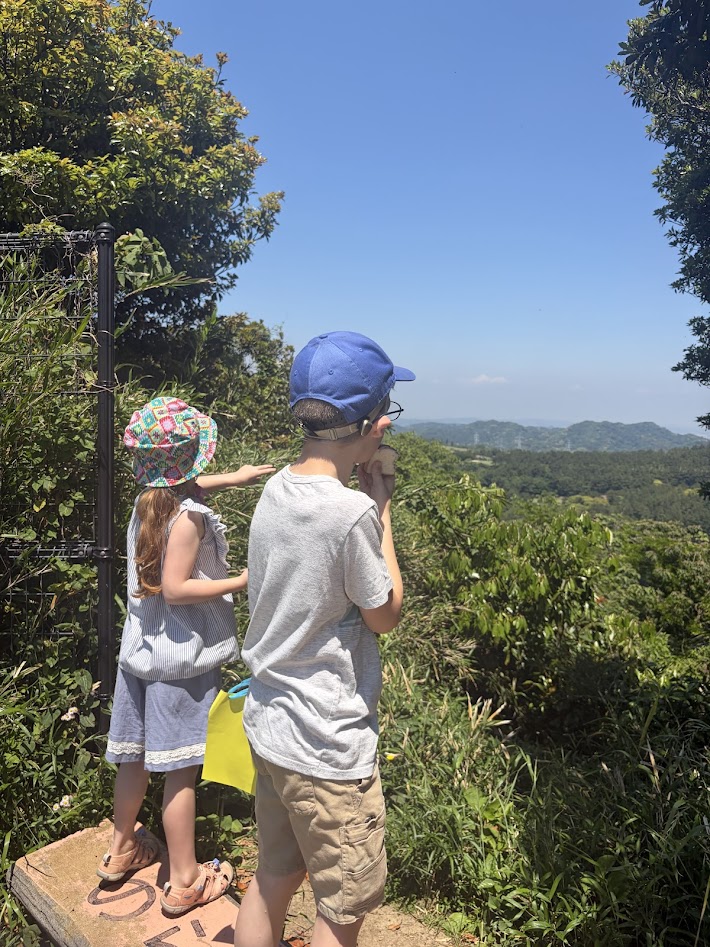
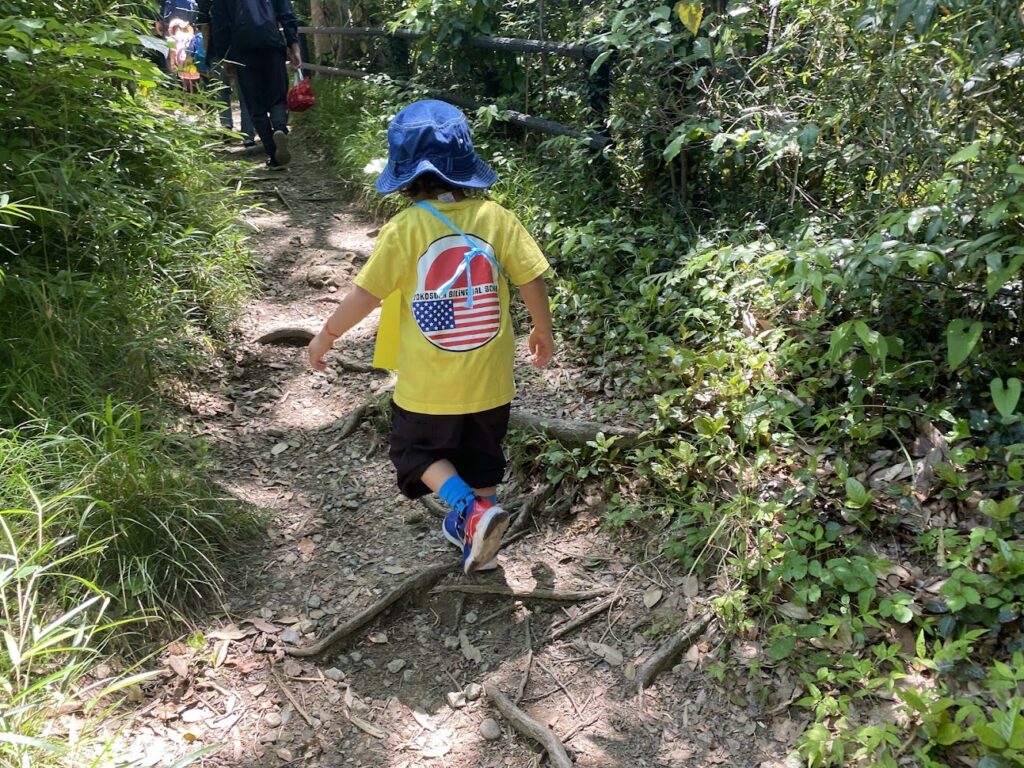
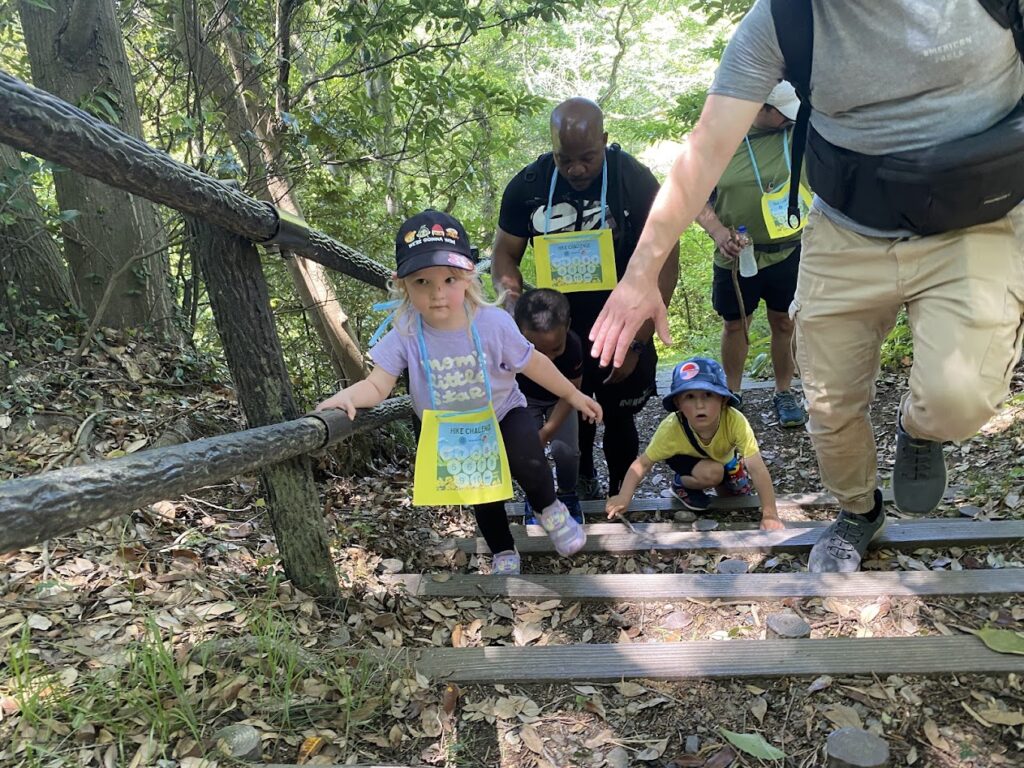
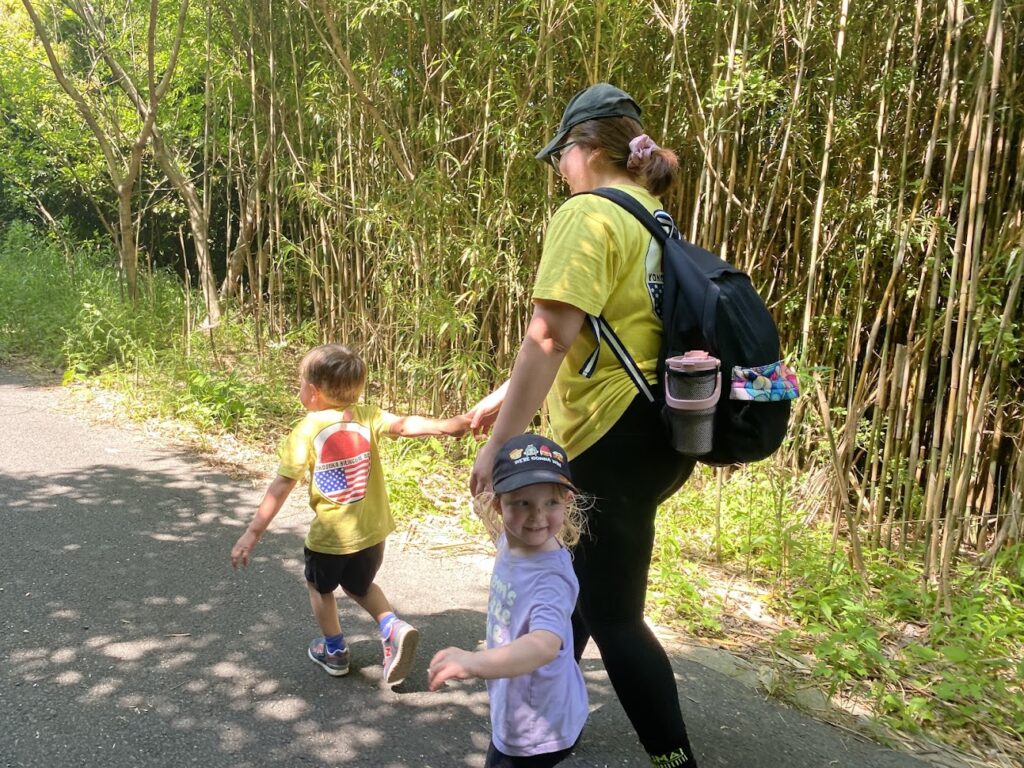
Our 3-year-olds from the preschool recently went on a big adventure in a local forest, guided by a local biologist.

To be honest, the teachers had mixed feelings before the trip.
Was it too dangerous for them…?
Would they get tired too quickly…?
Could they really enjoy two full hours outdoors…?

In the end, every one of those worries disappeared.


Learning With Their Whole Bodies

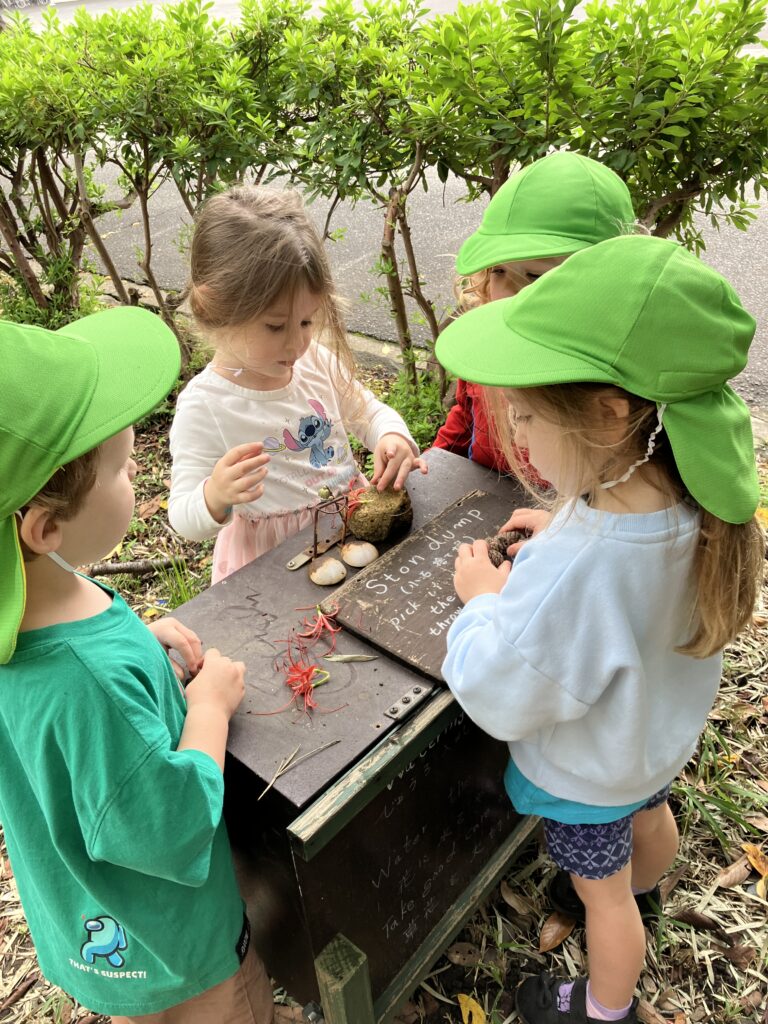
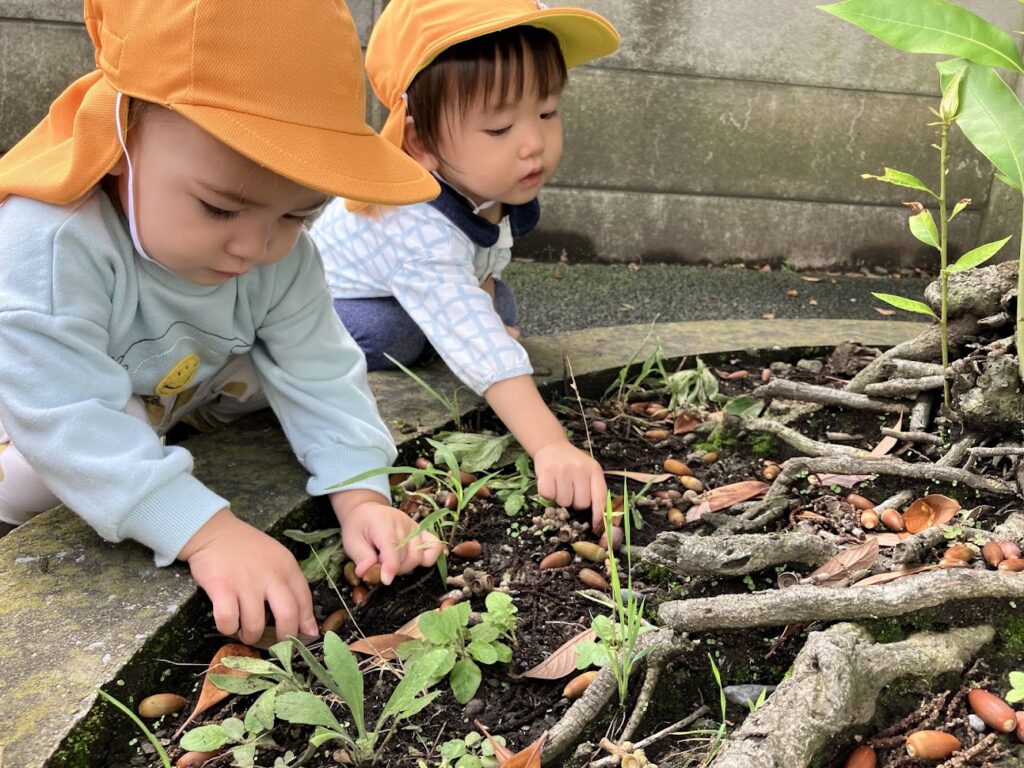
The children walked confidently through tall grasses, discovered and gently touched tree nuts, went up and down hills, and even climbed trees. Their small bodies were constantly in motion, and their eyes were filled with curiosity and excitement.

They learned how to balance on uneven ground, how to listen carefully to instructions, and how to observe nature closely. They experienced different textures, smells, and sounds—learning opportunities that no classroom can fully replicate.


Growing Confidence and Endurance

Most importantly, they gained confidence.
Confidence in their bodies.
Confidence in trying something new.
Confidence in themselves.

What surprised us most was their endurance. They didn’t give up or complain. Instead, they encouraged one another, helped each other, and kept moving forward with joy.


Learning Beyond the Classroom

This forest adventure reminded us of something very important:
young children are far more capable than we often expect—especially when we trust them and give them meaningful, real-life experiences.

Sometimes, the best learning doesn’t happen indoors.
It happens under the trees, on muddy paths, and in moments of wonder.


Developing Non-Cognitive Skills

This experience was not about learning facts.
It was about developing non-cognitive skills such as curiosity, resilience, focus, confidence, and the willingness to try even when something feels challenging.

In nature, children learn by doing. They observe closely, make decisions with their own bodies, and experience the joy of overcoming small challenges. Through hands-on exploration, learning becomes active, personal, and deeply meaningful.


The Power of Hands-On Learning at YBS

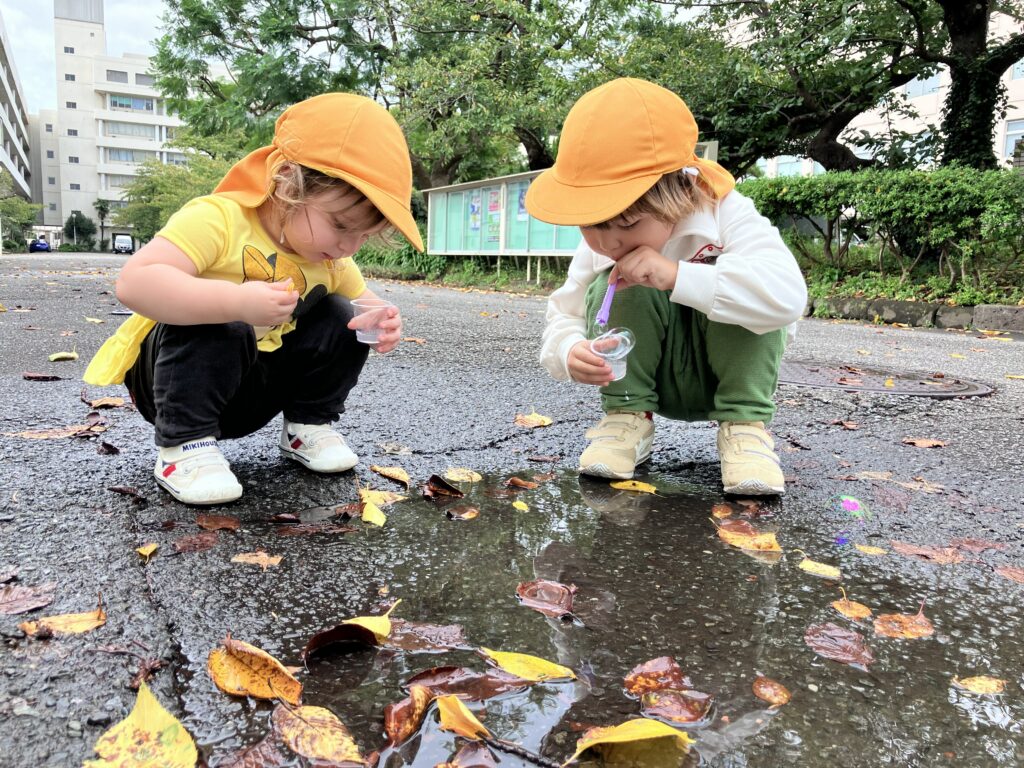
At YBS, we value real-life experiences as an essential part of learning and development. A variety of field trips is one of YBS’s unique educational approaches, and even in the classroom, we emphasize hands-on, engaging learning.

Hands-on experiences allow children to use their whole bodies and all of their senses. When children touch, move, explore, and experiment, learning becomes long-lasting. Research in early childhood education shows that active learning strengthens brain connections far more effectively than passive instruction, especially in the early years.


A Foundation for Lifelong Learning

In engaging environments like nature, children are fully involved. They solve small problems, make decisions, and adjust their actions in real time. This kind of learning naturally builds curiosity, concentration, resilience, and confidence—key non-cognitive skills for lifelong success.

Most importantly, hands-on learning supports intrinsic motivation. Children learn not because they are told to, but because they want to. This joy of discovery lays the foundation for lifelong learning.


Our Commitment at YBS

At YBS, we believe that children learn best through real-life, hands-on experiences that engage the whole child—body, mind, and heart. Whether in the forest or in the classroom, we are committed to creating learning environments where children feel trusted, challenged, and inspired.

Through experiences like this forest adventure, YBS nurtures not only academic readiness, but also the non-cognitive skills that support children throughout their lives—curiosity, resilience, confidence, and a genuine love of learning.

At YBS, we will continue to provide meaningful experiences that allow every child to discover their own potential and grow into confident, capable learners.

Friends Around the World — A Visit That Strengthened Our Belief

Some time ago, YBS had the honor of welcoming a very dear and deeply respected friend from Singapore.

Based in Singapore, he leads and develops a global educational network with nine campuses across five countries, where children from over 60 nationalities learn and grow together.
To be honest, we wondered if his words might simply be a kind gesture.
But then, he truly came to see YBS for himself — and that alone became an incredible source of strength for all of us.

Just by being here, walking through our campus, and seeing YBS with his own eyes,
we felt that our journey so far — and the future we are striving toward — was gently yet powerfully affirmed.

During his visit, he shared words that continue to resonate deeply with us.


“You can achieve it.”

These simple words brought a sense of calm and warmth, reminding us that we are on the right path.


He also said,

“YBS is truly one of a kind. Its potential is limitless.”

Those words encouraged us to never give up, never shrink back, and to keep moving forward toward greater and more inspiring horizons.


Perhaps most meaningful of all was this message:

“I’m always happy to collaborate.
We are all fighting for children every day — we are on the same team.”


This sentiment perfectly reflects what we value at YBS, which is why it touched us so deeply.

Since its founding, YBS has carried a clear message:
“Friends around the world.”

In moments of challenge, joy, or when courage is needed,
we believe it is truly powerful to have friends who support one another —
not only in Japan, but beyond  countries, cultures, and languages.

That belief is why YBS is committed to being a multinational and bilingual school.
While greater diversity naturally brings greater challenges, it also brings far more joy, learning, and possibility.

Having friends all around the world is, quite simply, a beautiful thing.
And when we work toward something meaningful, people from different backgrounds come together, offering their strength and support.
The more cultures, languages, and perspectives mix, the richer and more exciting the world becomes.

That is the belief at the heart of YBS.

To nurture this, we focus on helping children build both knowledge and experience — the foundation they need to thrive in a global future.

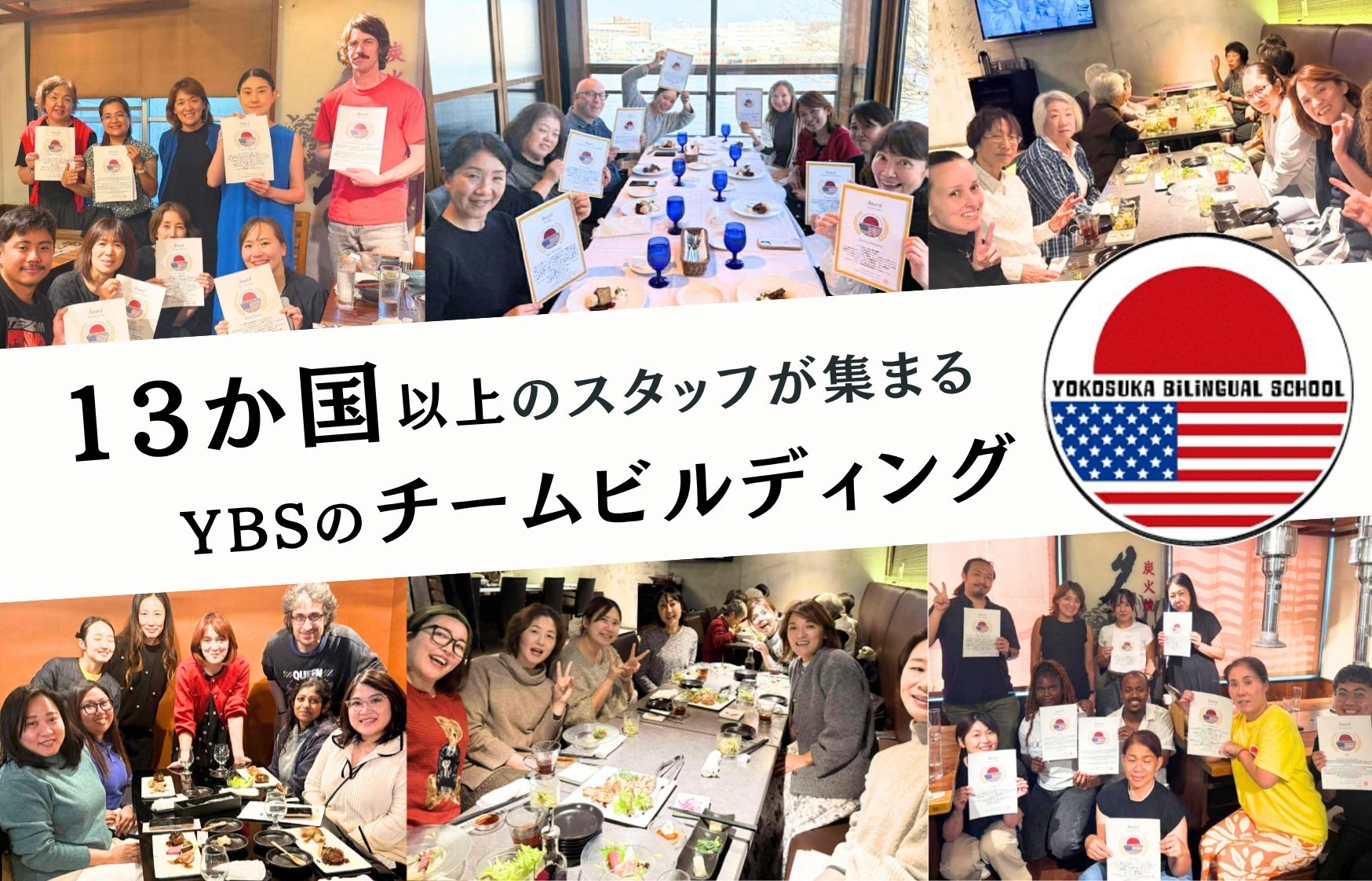
As YBS continues to grow, we remain committed to inspiring our alumni around the world, our current students, and our dedicated teachers and staff.
Together, we strive to build a future where cultures and languages blend naturally, creating something truly meaningful.

Thank you for visiting YBS, Mr.Law.
Your presence reminded us why we do what we do — for the children, together.

Little Hands, Big Lessons: A Japanese Approach to Building Responsibility


It’s Never Too Young to Learn Responsibility and Care

Being responsible, caring, and appreciative of the world around us are qualities that last a lifetime. At YBS, we believe it’s never too early to begin nurturing this mindset. Small, everyday experiences can shape children’s values, habits, and the way they see their role in a community.


One of the Beautiful Lessons of Japanese Education

In Japan, cleaning the classroom is an important part of school life. Children take responsibility for tidying their own spaces, not because they are told to, but because it is seen as a shared duty. This practice goes far beyond keeping a room clean—it teaches responsibility, teamwork, gratitude, and respect for the environment and for one another.

We deeply value this philosophy and proudly incorporate it into daily life at YBS.


Cleaning Time at YBS: Little Hands, Big Lessons

At YBS, caring for our environment is a natural part of our daily routine. Our children and students work together to look after their classrooms, toys, and learning materials.

Even our youngest learners—children as young as 2–3 years old—take part in cleaning time. Putting toys away, wiping tables, and helping to tidy the room are all done in a hands-on, age-appropriate way. What’s truly special is how seriously they take this responsibility and the pride they feel when their space is clean and organized.

As an end-of-year activity, our 2–3-year-old class experienced “Oosoji,” a traditional Japanese deep-cleaning practice. Oosoji is a time to clear away the dust of the past year and welcome the new year with a fresh, positive mindset. This activity became a wonderful team effort and a meaningful opportunity for children to experience an aspect of Japanese culture firsthand.

At YBS, cleaning is never a punishment—it is a shared responsibility. By working together, children naturally develop cooperation, communication skills, and a strong sense of belonging.


What Children Are Really Learning

While it may look like simple cleaning, these moments are rich with learning. Through daily routines, children develop:

  • Responsibility – understanding that they are capable and trusted to care for their space

  • Caring and empathy – respecting shared environments and the people who use them

  • Appreciation – recognizing the effort it takes to keep things clean and organized

  • Mindfulness – being aware of their actions and their impact on others

These experiences help form positive habits that children will carry with them for years to come.


YBS Is More Than Just a School

At YBS, we are about more than learning a new language, academics, or play—though all of these are important parts of childhood. Our mission is to support each child’s growth emotionally, socially, and responsibly.

By teaching children to care for their surroundings and their community, we help them grow into thoughtful, mindful individuals who appreciate what they have and take pride in contributing to the world around them.

At YBS, small daily actions lead to a lifelong impact.

From Soybeans to Discovery: A Japanese Traditional Experience at YBS

At YBS, we operate as a local international school—but at heart, we are a bilingual community where English and Japanese are both living languages. As a Cambridge-accredited school, we provide a global level curriculum while also cherishing the unique place we stand today: Japan. We honor its culture, traditions, and the values passed down over generations.

That’s why Japanese cultural experiences are woven naturally into our everyday learning.
From seasonal celebrations like Hinamatsuri and Setsubun, to hands-on activities with local groups who preserve satoyama culture(a traditional Japanese countryside where people and nature live together ) and traditional crafts, children learn by experiencing Japan first-hand.

The months from autumn to the New Year are especially rich in cultural learning—harvest festivals, traditional preparations for the new year, and opportunities to connect with nature and local heritage. These moments deepen children’s sense of belonging and broaden their view of the world.

Even for children with Japanese backgrounds, many of these traditional experiences feel completely new. Regardless of nationality or language, all children encounter these traditions with the same excitement, wonder, and joy.

Japan’s craftsmanship and cultural knowledge have long inspired the world. Washi paper, for example, is recognized by UNESCO as an Intangible Cultural Heritage and is used in art restoration around the globe. Satoyama culture—built on harmony with nature—is studied internationally as a model for sustainable living. Japanese traditions hold countless stories worth discovering.

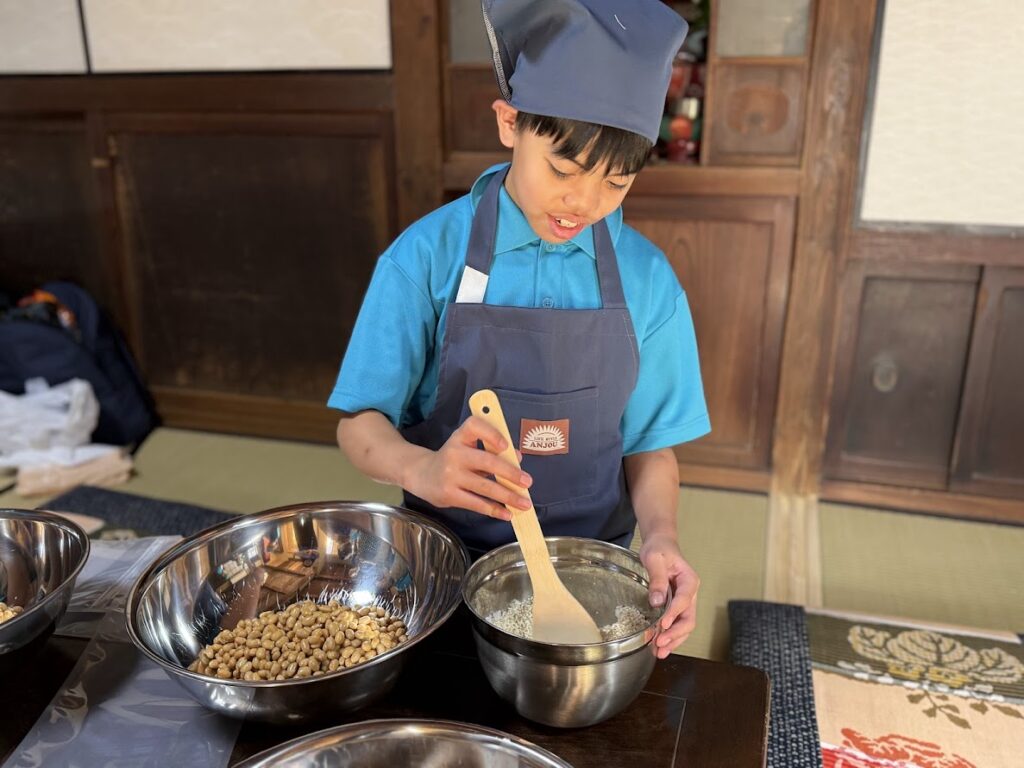
This time, our Grade 5 students experienced one of Japan’s most iconic food traditions: making miso.


From a Single Experience Comes Curiosity, Learning, and Growth

The homeroom teacher who organized the activity shared the meaningful intentions behind it.

First, the goal was to spark curiosity and interest in Japanese traditions. Food is deeply connected to everyday life, and miso can be a perfect gateway for children to think about what they eat and the culture behind it.

The teacher also wanted the students to learn not only about miso, but through miso—by touching, smelling, mixing, and making it with their own hands. The warmth of boiled soybeans, the sound of mashing, the fragrance of koji (a special type of mold to ferment foods)—these sensory experiences create a deeper level of understanding that a classroom alone cannot offer.

Another purpose was to extend learning beyond school. Students brought their homemade miso home to ferment over the coming months, turning this experience into a long-term journey they can share with their families. When the miso is finally ready, enjoying it together creates a meaningful connection between school learning and home life.

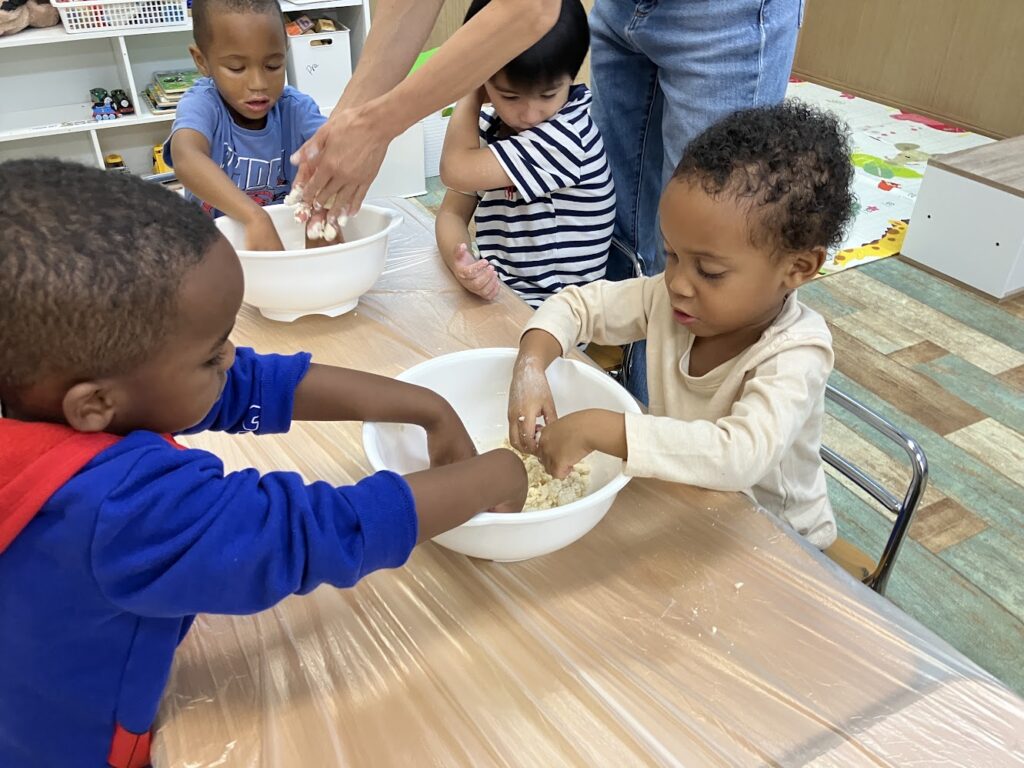
During the activity, students mashed soybeans, mixed salt and koji, and worked together through a process that was more physically demanding than they expected. But their excitement and enthusiasm never faded. Their questions—“Why do we add salt?” “What does koji do?”—led to spontaneous moments of discovery and deeper understanding.

Perhaps the most memorable moment was watching the children carefully carry their jars of miso home, as though they were nurturing something precious. Over the next few months, they’ll observe and “raise” their miso, eagerly waiting to see how it transforms.

At YBS, a hands-on experience is never just a one-time event.
It becomes a spark—leading to new knowledge, new interests, and new growth.
Through Japanese culture, our students not only learn about the world—they learn how to connect deeply with it.